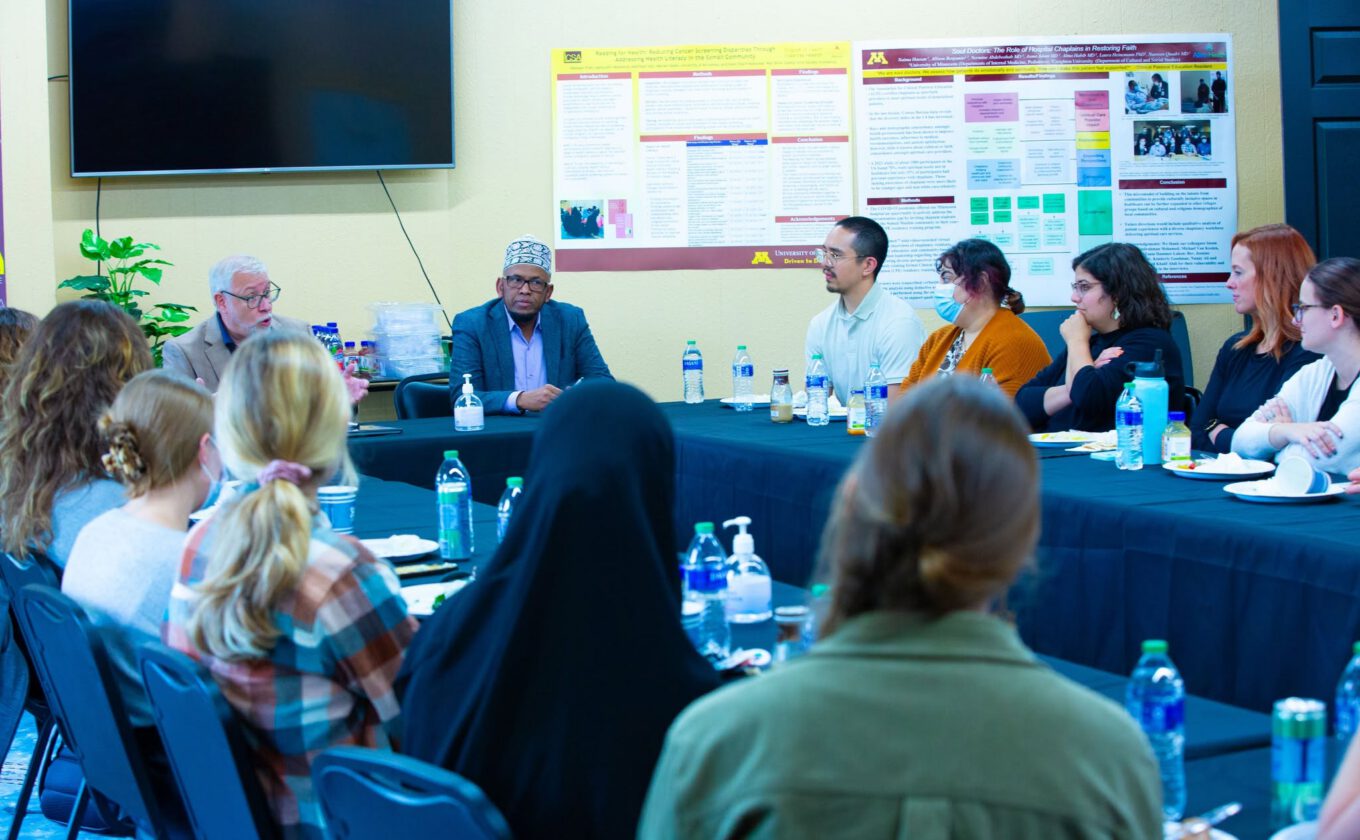
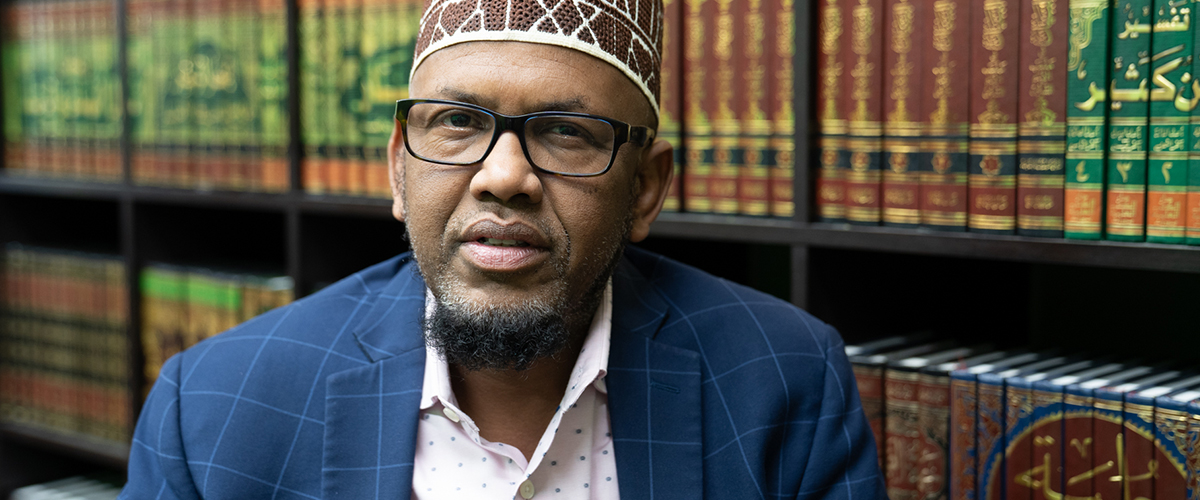
For many Muslim immigrant families their relationship with American health systems is confusing and produces mistrust. Sometimes patients may be resistant to taking medications when they think aspects of the treatment do not align with their faith and values. For example, one patient being treated for mental illness at Hennepin Healthcare had such an experience. Not taking medication as prescribed resulted in their frequent return to the hospital because they were unable to adequately recover. But after having the support and guidance from a Muslim spiritual care leader, they no longer held this perspective. “This is the longest I have spent outside of the hospital in 8 years,” shared the patient. “It been four months since I have gone back to the hospital, I’ve been able to spend at home with my family. I take my medication and I feel confident that this is what is right for my health and fits my faith.”
As this patient demonstrates, health systems thinking differently about care is vital. When medical providers don’t have enough knowledge about or collaboration with their patients’ cultures, values and beliefs, patients struggle to trust the treatment. This leads to poor health outcomes and a widening gap between health systems and the community. One innovative resolution is through culturally responsive spiritual care.
Read the full article on HENNEPIN HEALTHCARE