24 Years of Partnership. One Organization Born From Community Request.
Open Path Resources was founded on a simple belief: the strongest solutions come from within the community itself.
Where it all started.
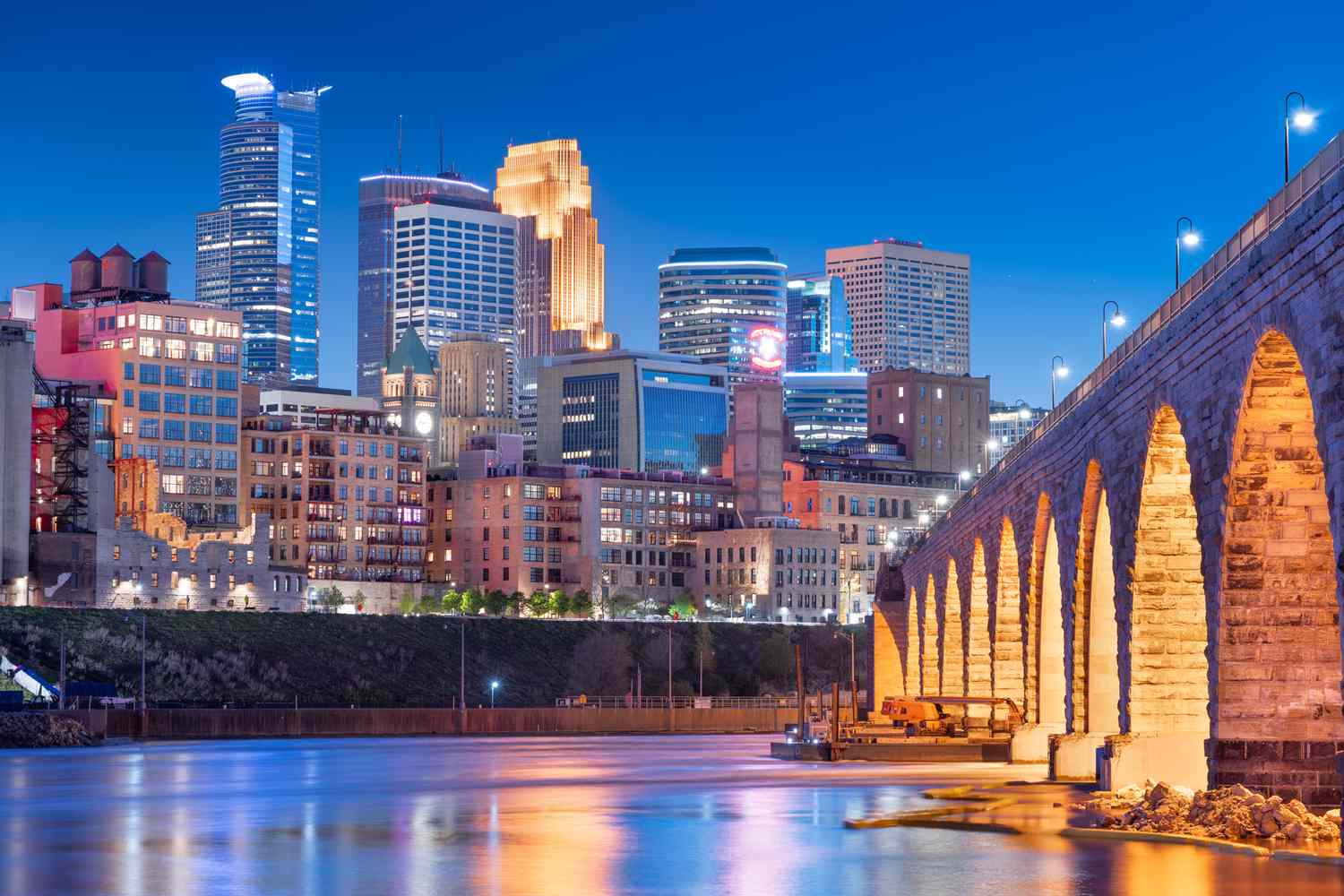
Minneapolis, Minnesota
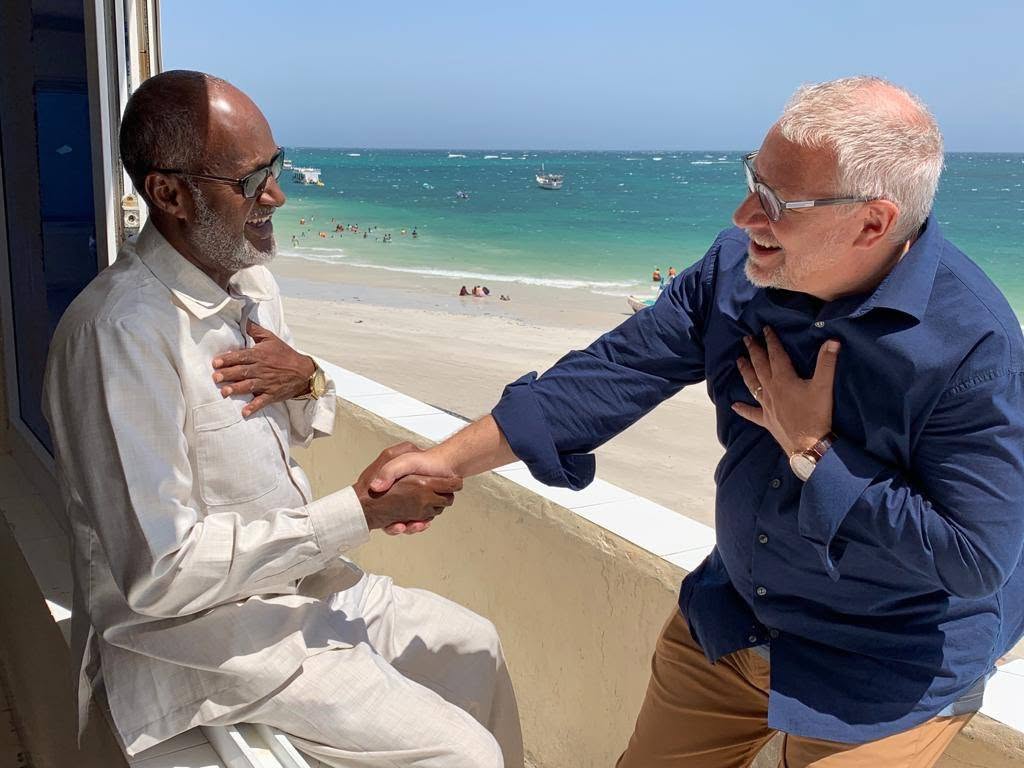
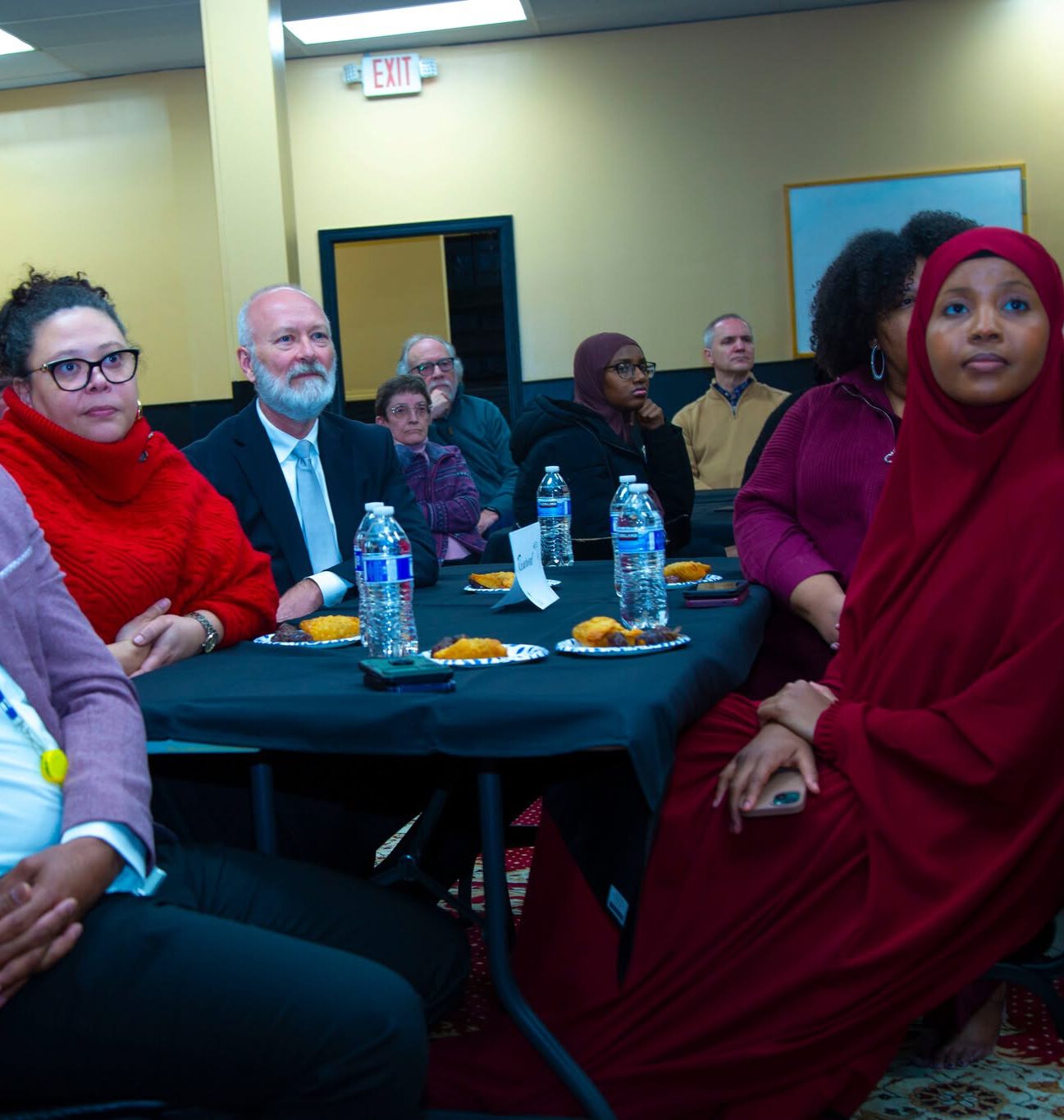
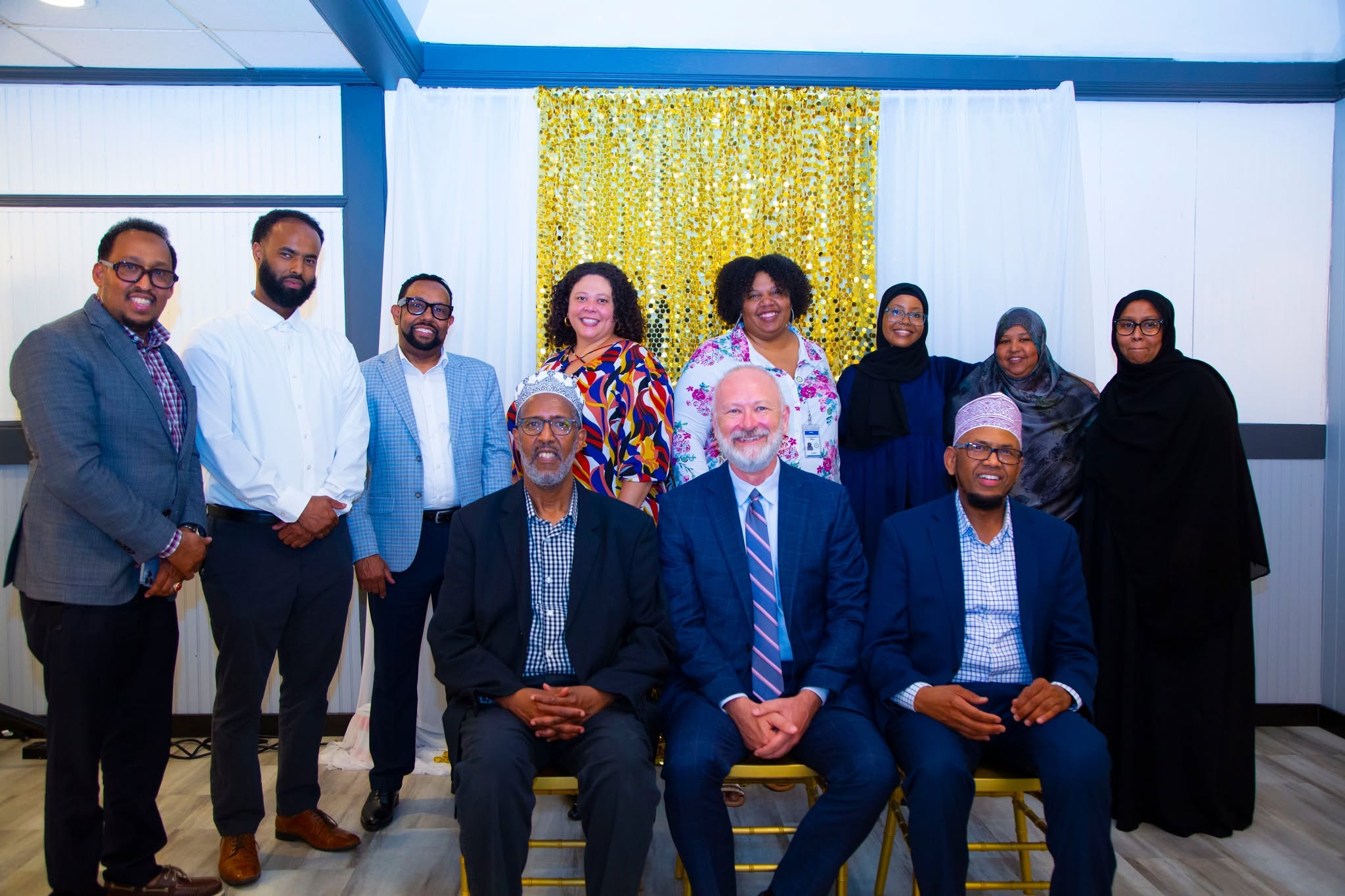
Co-founders Imam Sharif A. Mohamed and Dr. Michael Van Keulen have worked alongside East African, immigrant, and refugee families, faith leaders, healthcare systems, educators, and researchers for 24 years. In 2012, the community they’d been serving asked them to formalize that partnership, and Open Path Resources was born.
Open Path Resources (OPR) is a 501(c)(3) nonprofit. We were founded as an extension of the shared values of our sister organization, the Islamic Civic Society of America (ICSA), a faith-based institution, but OPR itself is a nonsectarian organization. We don’t require religious affiliation to receive our services, join our programs, or partner with us, and we’re active in expanding our own and others’ understanding of our community’s diverse interests. We don’t seek to advance any particular religious doctrine. For the East African, immigrant, and refugee families we serve, faith is often central to identity and community life, and we treat it as an asset to work alongside, as part of the whole community, recognizing that building community happens best in inclusive spaces. In practice, this means we build bridges with Minnesota’s systems and partner closely with mosques, imams, and other faith leaders because they are trusted voices within the community, while OPR’s own mission stays civic: building every community’s voice, health, and influence over the policies that shape their lives.
The year our founders' 24 year partnership became an organization, at the community's own request.
Education leader, community partner, and co-founder of OPR with 30+ years of experience across schools, public systems, healthcare partnerships, and East African communities in Minnesota.
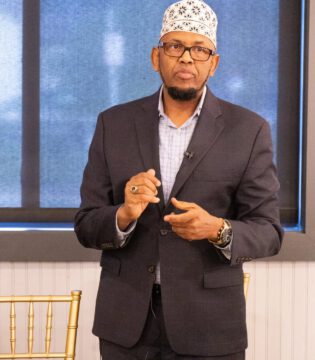
Faith leader, counselor, civic voice, and Minnesota’s first Muslim chaplain, helping expand Muslim spiritual care and community leadership across public institutions.
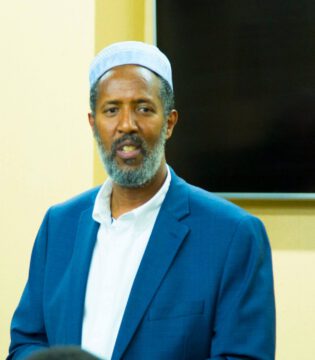
Founder of the Islamic Civic Society of America and longtime educator committed to community leadership, family engagement, and educational opportunity.
Before you read another word, sit with that question for a second. This isn't about what school you want them in, or what job you hope they land. By the time they're grown, what do you actually want them to become?
That's the only question our founders asked, over and over, to anyone who would sit with them: in community centers, on front porches, at kitchen tables that weren't theirs. It wasn't a survey, or a focus group. Just two people willing to listen long enough for parents to stop giving the polite answer and start giving the true one.
Some answers took an hour to get to. A father who'd left one country so his children could grow up in this one, trying to put into words what he was afraid they'd lose along the way. A mother translating her own hopes into a second language, watching to see if they'd landed right. An elder who'd said the same four things to three different visitors over three different years, because nobody had actually done anything about it yet.
But underneath all of it, the same four hopes kept surfacing. These weren't families reciting a script. It turns out most people want the same handful of things for the next generation. They just rarely get asked.
Chances Are, You Just Named One of These.
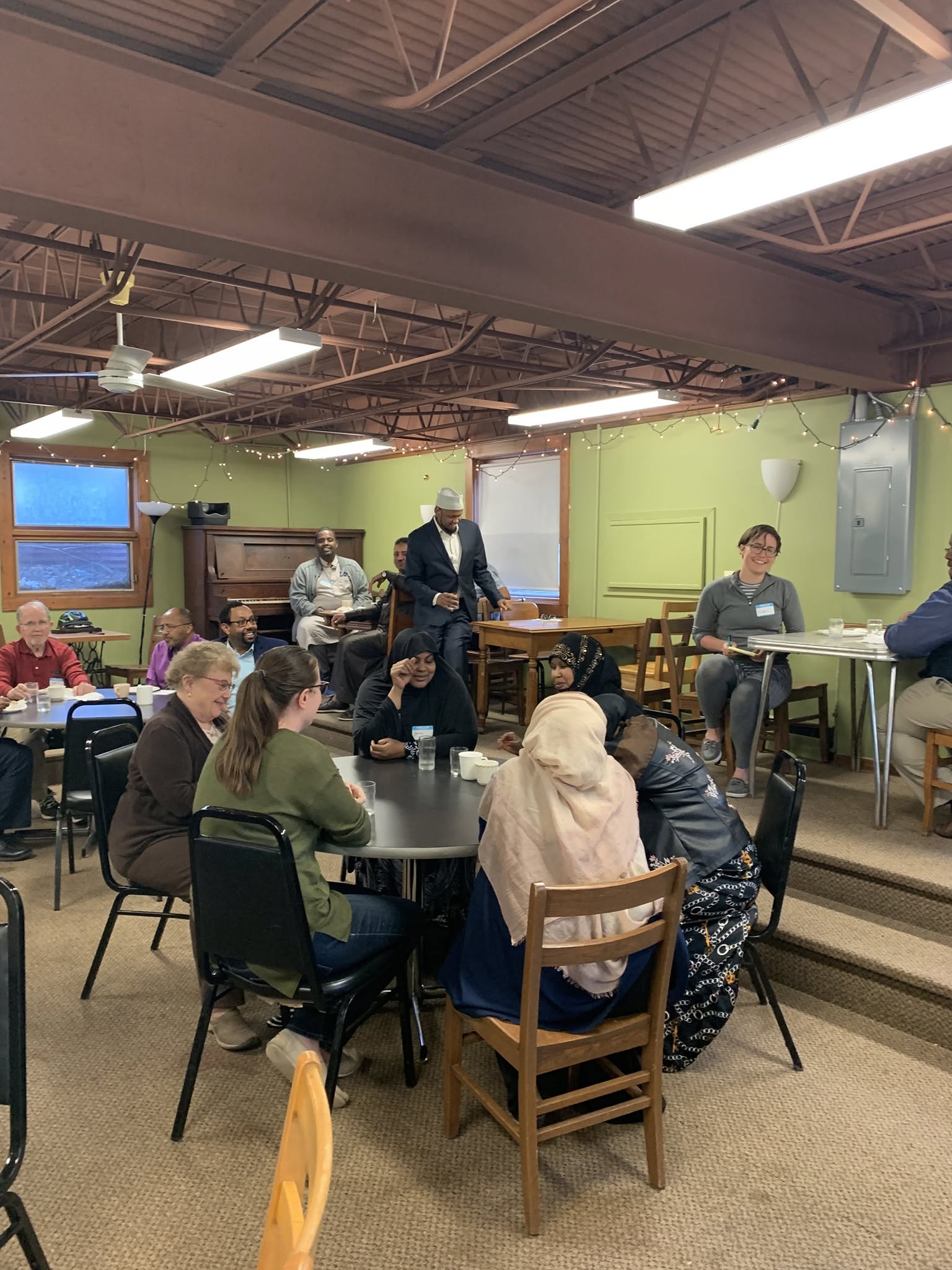
Whatever came to mind when we asked, there’s a good chance it echoes what we heard, over and over, from families across Minnesota: people who’d arrived last year and people who’d been here for a generation, people who prayed five times a day and people who didn’t, tracing their roots to Somalia, Ethiopia, Eritrea, and beyond. Different lives, different languages. The same four answers.
• Future community leadership
• Well-educated children
• Strong faith and values
• Healthy cultural identity
If your answer just now sounds like one of these, you already understand what OPR exists to do. We didn’t invent this mission. We listened until families handed it to us, and we’ve spent every year since trying to help them build it.
Community Led. Institution Connected.
Lasting change takes both. Leadership strong enough to come from inside a community, and partnerships real enough to reach the institutions around it. Neither one works alone: a strong family without a connected hospital system still hits a wall. A connected hospital system without strong local leadership still misses what families actually need. So our work sits in between, bringing together families, schools, healthcare systems, researchers, philanthropies, and civic leaders, not to run programs for East African, immigrant, and refugee communities across Minnesota, but to build the capacity for those communities to run their own. We don’t work for communities. We work with them.
story unfold.
It happens when trusted relationships, strong institutions, and community leadership grow together.
When families finished telling us what they wanted, we asked the obvious next question: so what do we build? The easy answer would have been an advocacy organization, professionals who could speak for the community, lobby on its behalf, run the services it needed. Families said no to that too. They didn’t want outsiders raising their children, staffing their institutions, or running their programs. They wanted the opposite: the resources and connections to do all of that themselves.
So OPR was built backwards from how most nonprofits start, not as an organization that acts for people, but as one that works to disappear into the background of the institutions that already belonged to them. That only works with partners willing to build the same way, alongside communities instead of in front of them.
If that’s the kind of work you want to be part of, this is where we start.
A Model Built With Community
OPR’s Culturally Responsive Model of Mental Health & Substance Use Disorder Care treats community owned spaces, faith centers among them, as genuine partners in care, not just referral sources. It’s built on five parts: care embedded directly in community life, harm reduction without judgment, culturally grounded family counseling, coordinated clinical pathways with hospitals, and sustained outreach that reduces stigma.
That work has been recognized from two directions: the Minnesota Hospital Association's Innovation in Healthcare of the Year Award, and a 2024 Honorable Mention from the Association for Community Affiliated Plans, recognition for a program built with community members, not just for them.
None of this works as a single transaction. It only works because the same institutions keep showing up for each other, year after year, long after any one program ends.
So, What Does This Actually Look Like?
If you’ve read this far, you’re probably wondering the same thing we used to wonder: what does any of this actually look like in practice? It’s one thing to talk about listening, capacity, and institutions built to outlast a single program. It’s another to watch it happen.
A chaplain trained and placed in a hospital that didn’t have one before. A parent connecting with a health worker who speaks their language and understands their family’s story without needing it explained. A young leader running a community meeting OPR didn’t organize, because we made sure they wouldn’t need us to.
That’s not philosophy anymore. That’s just the work.